
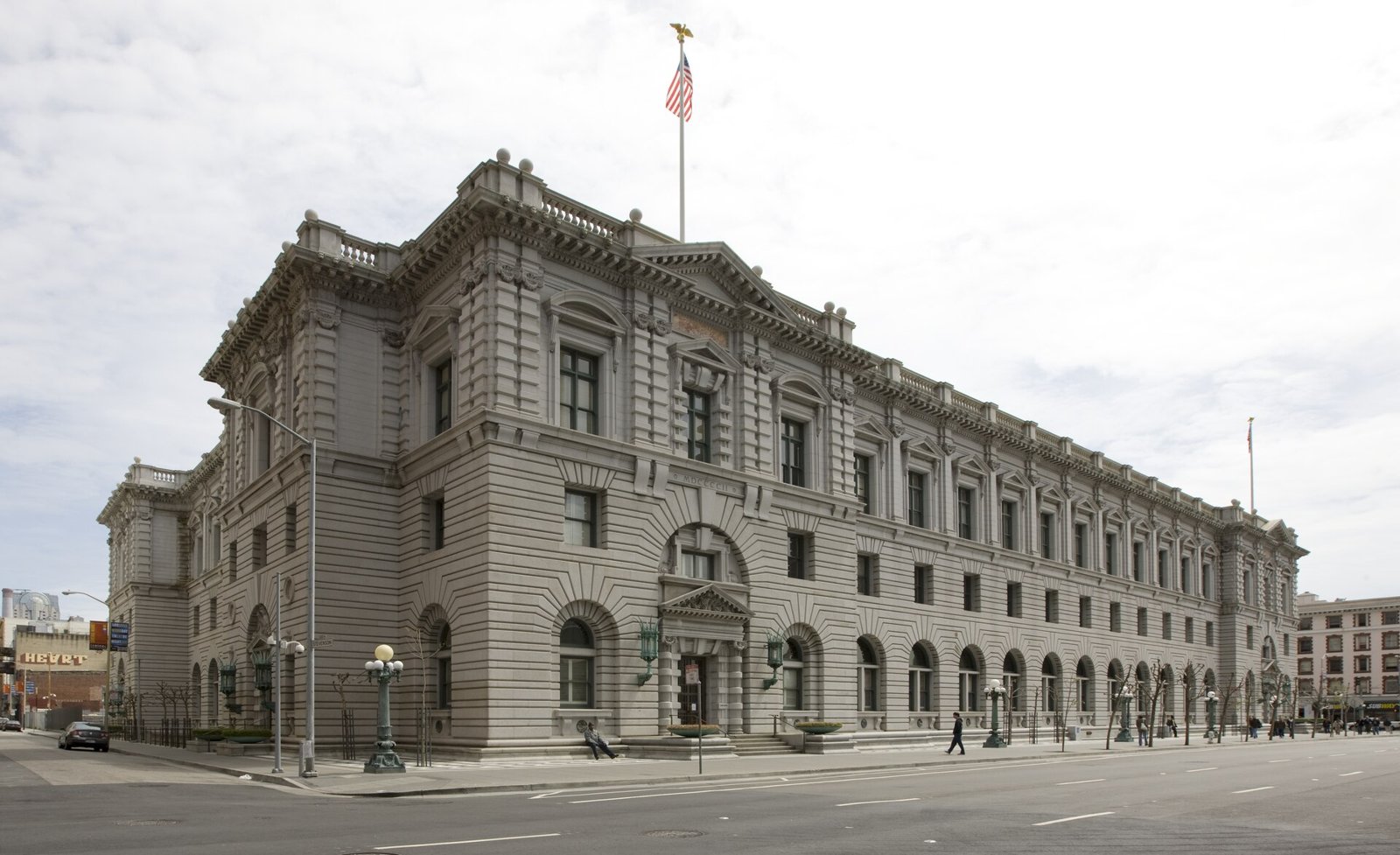
 Photo by Carol M. Highsmith, resized.
The Sunday Ticket case, step by step: a $4.7 billion verdict, thrown out and brought back
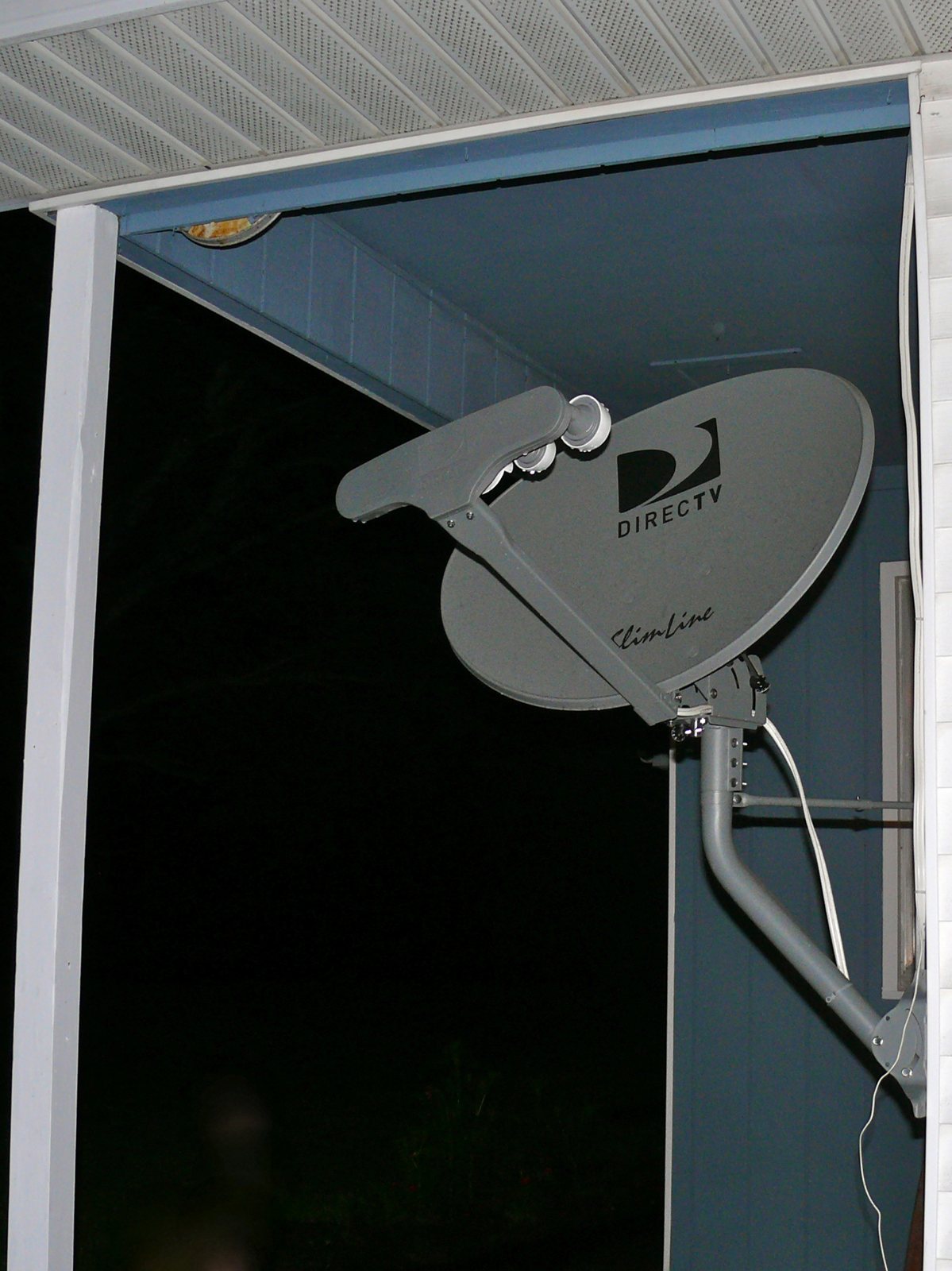 Photo by Larry and Teddy Page, CC-BY-2.0, resized.
One package, one dish
NFL teams sell their television rights together, not one by one. Congress allowed that in 1961, when the Sports Broadcasting Act exempted pooled broadcast deals from antitrust law.
Sunday Ticket, the package of every out-of-market Sunday afternoon game, launched in 1994. For almost three decades the only way to buy it was through DirecTV satellite service.
- Teams pool their TV rights, and Congress passes the Sports Broadcasting Act
- Sunday Ticket launches, sold only through DirecTV
- A new DirecTV deal starts, reported at $1.5 billion a year for eight years
- The last season of the DirecTV era
- YouTube takes over the package on a seven-year deal
Homes paid a list price of about $200 to nearly $400 a season. Bars and restaurants paid from a few thousand dollars to more than $100,000, depending on their size.
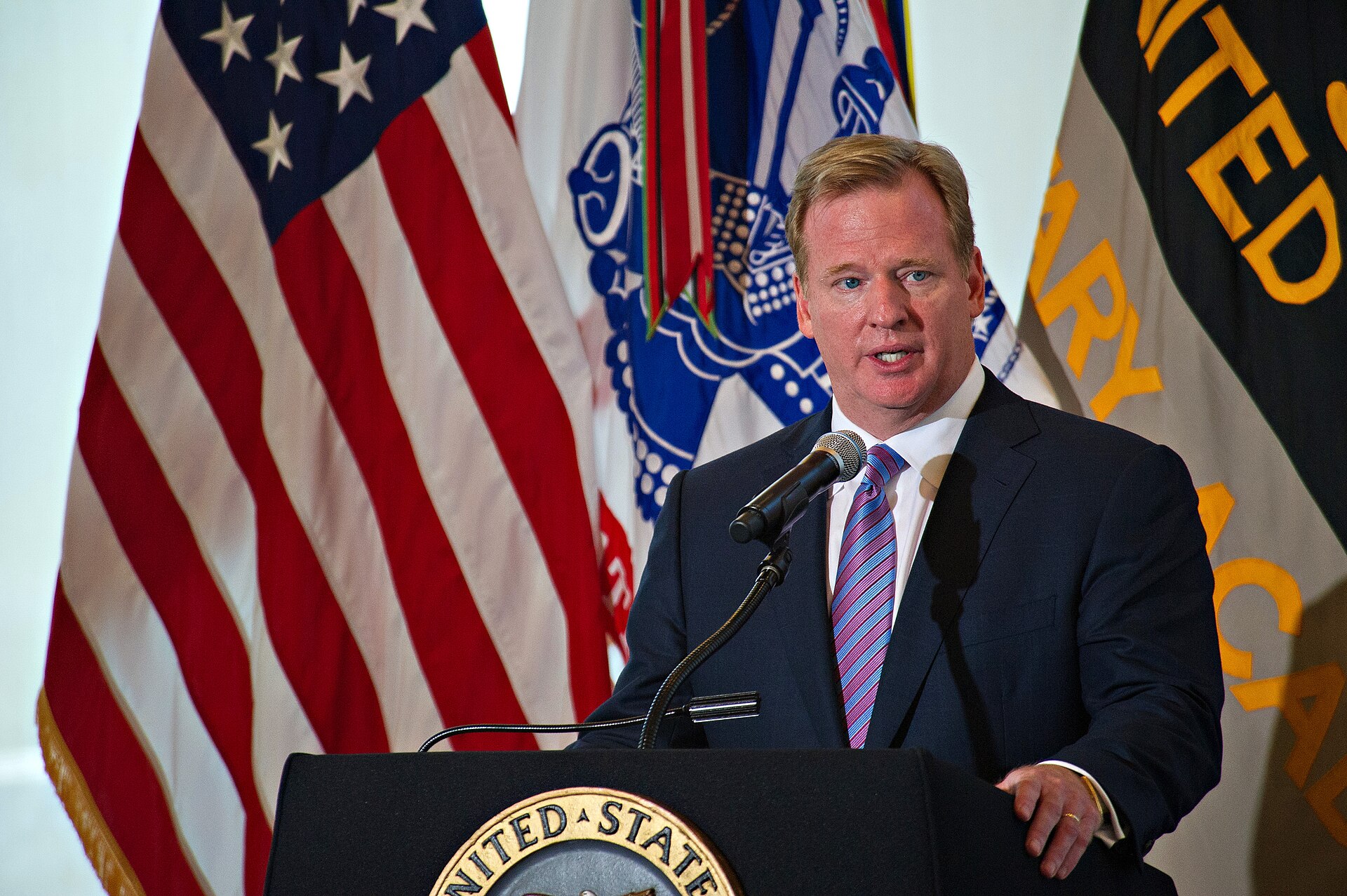 U.S. Army photo by Staff Sgt. Teddy Wade, resized.
A bar files suit
In 2015, The Mucky Duck, a bar in San Francisco owned by Ninth Inning Inc., sued the league and its teams. Home subscribers joined the case, which became a class action.
The claim was simple to state: by selling every out-of-market game through one distributor, at one high price, the league and its teams cut competition and overcharged fans.
- The Mucky Duck and others file suit
- A federal judge dismisses the case
- The Ninth Circuit revives it
- The Supreme Court declines to hear the league's appeal
- Trial in Los Angeles, with Roger Goodell among the witnesses
The league argued the 1961 law protected its pooled deals. The 2019 appeals ruling said the exemption covers free over-the-air broadcasts, not a paid satellite package.
 Photo by Levi Clancy, resized.
The verdict
After a trial of about three weeks in downtown Los Angeles, the jury found for the fans and the bars in June 2024.
Jury damages, in millions of dollars
The exact residential figure was $4,610,331,671.74. Antitrust damages are tripled by law, which is why the total exposure was put at more than $14 billion.
Where $191.26 came from
The residential award works out to exactly $191.26 for each of the 24.1 million subscriptions.
That is the 2018-19 list price of the package, $294, minus the $102.74 that the average subscriber actually paid.
Per residential subscription, in dollars
The fans’ experts had offered their own models. One, Daniel Rascher, compared the NFL with how college football is sold. Another, Douglas Zona, estimated that adding just one more distributor would have cut the price by 49.7%, and that a model without the league’s restrictions would have been 24.6% cheaper.
Douglas Zona's estimated overcharge, in millions of dollars
Photo by Carol M. Highsmith, resized.Thrown out, then revived
In August 2024, Judge Philip Gutierrez set the verdict aside. He ruled that the experts’ damages models were unreliable and that the jury’s number did not follow from the evidence. He has since retired.
The fans appealed. The Ninth Circuit heard the case in San Francisco on March 9, 2026, before Judges Holly A. Thomas, Anthony D. Johnstone and Joan H. Lefkow.
“Opinions are neither unfounded nor unreliable merely because they are impeachable.”— Judge Anthony D. Johnstone, writing for the court, Oct. 30, 2026
The 64-page opinion said the trial judge should have let the jury weigh the experts’ work. It sent the case back to Los Angeles for a new trial on damages only.
“Such opinions are for the jury to weigh at trial.”— The Ninth Circuit opinion
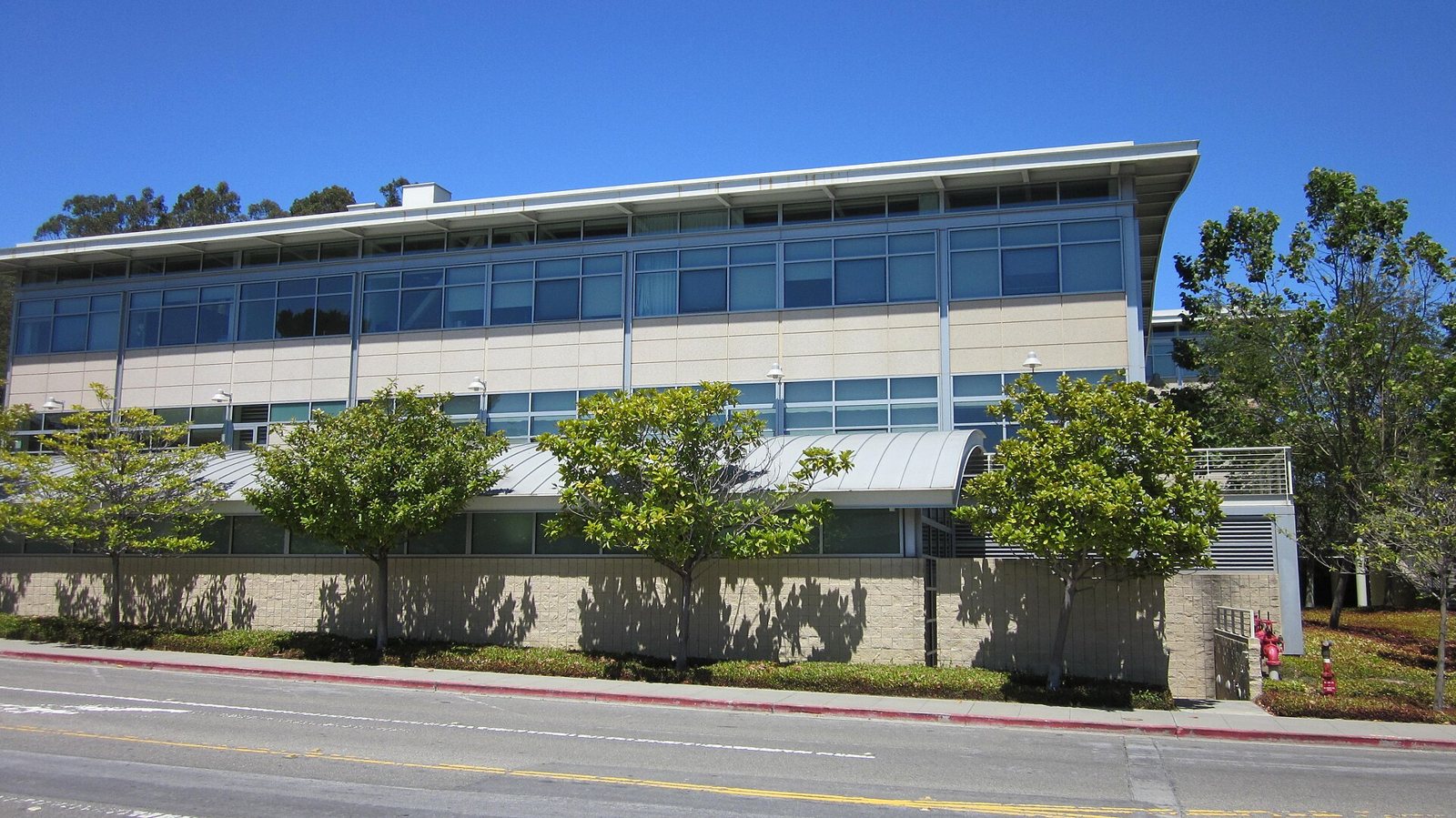 Photo by BrokenSphere, CC-BY-3.0, resized.
The streaming era, and what is next
The case covers subscriptions from June 2011 to February 2023, the DirecTV years. Since 2023, Sunday Ticket has been sold by YouTube, on a deal reported at a little over $2 billion a year.
The streaming version is not cheap either. In its first season it cost $349 for YouTube TV members, or $389 with RedZone.
The league said it was disappointed by a case that “has been ongoing now for over 11 years” and said it would consider seeking further review.
Nothing is paid yet. A new jury in Los Angeles will decide the damages, unless the league wins another round on appeal first. If a new jury lands near the first one, tripling would again put the bill above $14 billion.
For now, the case that started at one bar in San Francisco is back where it was in June 2024: the NFL lost, and the only question left is how much it owes.
No published comments yet. Start the conversation.