Chop block explained: the high-low double team, why the NFL banned it and what the 15-yard flag erases
NFL Rule 12-2-5 makes every chop block illegal: one blocker high, a teammate low on the same defender, in either order. Here are the six situations in the rule, how it differs from legal low blocks, and the six chop blocks called through Week 6 of 2026.
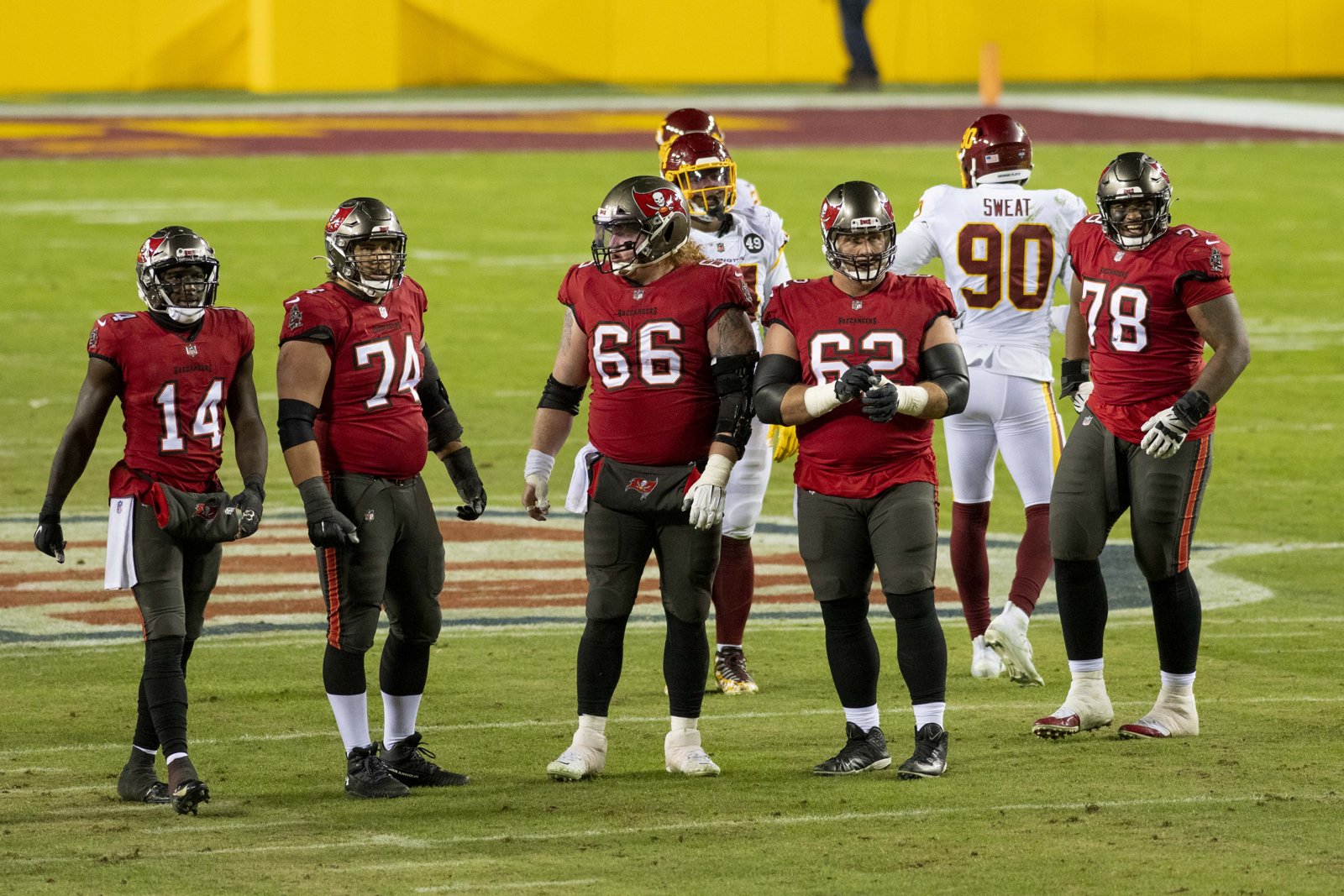
A chop block is a high-low double team. One offensive player engages a defender up high, and a teammate hits the same defender at the thigh or below. Caught between the two, the defender has nowhere to go, and his knees take the force. Every chop block has been illegal in the NFL since 2016, and the penalty is 15 yards. The flag is rare, but it often comes at a bad time. Six have been enforced through Week 6 of 2026, as many as in all of the 2025 regular season.
What the rulebook says
Rule 12-2-5 opens with four words: “All chop blocks are illegal.” It defines a chop block as “a high/low double team block by the offense in which one offensive player blocks a defensive player in the area of the thigh or lower while another offensive player engages that same defensive player above the waist.” Two details matter:
- The order does not matter. High first and then low is a chop. Low first and then high, which the rulebook calls a reverse chop, is also a chop.
- There are two exceptions. It is not a foul if the defender initiates the contact with the blocker, or if the blocker is trying to slip or escape from the defender and any engagement is incidental.
The penalty is a loss of 15 yards. The referee signals it with the personal foul signal followed by both hands striking the sides of his thighs.
The six situations in the rule
The rulebook lists six examples. Calling something a chop block does not require the high blocker to still have his hands on the defender:
- A low block while a teammate is engaged with the defender above the waist.
- A low block after the high blocker’s contact has been broken, while he is still confronting the defender.
- A low block while a teammate stands in front of the defender in a pass-blocking posture without touching him. The rulebook calls this the “lure.”
- A low block followed, at the same time or right after, by a teammate engaging the defender high. This is the reverse chop.
- A low block by a player who lined up in the backfield, such as a running back or fullback, on a defender already engaged above the waist.
- A low block by an offensive lineman on a defender who is already engaged by a teammate, whether that first block was high or low.
The last two are why running backs pick up chop blocks. A back assigned to help in pass protection who cuts a pass rusher already tied up by a tackle has committed the foul, even if he goes on to catch a pass.
How it differs from other low blocks
Blocking below the waist is not illegal by itself. Under Rule 12-2-4, players may block low on scrimmage plays before a change of possession, but only inside the tight end box, an area that runs two yards outside the tackles and five yards on either side of the line of scrimmage. Low blocks are banned outside that box, on kicks and after a turnover.
The chop block is different. The rule lists it among the fouls that can be called “even if they occur in the tight end box,” along with clipping, the peel-back block, the crackback block and the illegal cut block on a receiver. A lineman may cut a defender in the box by himself. He may not do it while a teammate has that defender occupied up high. Our guide to block in the back, clipping and blocks below the waist covers the other low-block fouls.
Why the NFL banned all of them
For years some chop blocks were legal on running plays. The league narrowed the rule over time, and on March 22, 2016, owners voted to make every chop block illegal, citing the risk of knee injuries. A defender held in place by a high block cannot protect his legs from a second blocker coming low.
What it costs
Because the foul is by the offense, it takes away whatever the play gained, including touchdowns. On October 29, 2017, Russell Wilson threw a 7-yard touchdown pass to Paul Richardson against Houston that was wiped out by a chop block on running back Thomas Rawls. Seattle scored two plays later anyway and won a 41-38 shootout.
It can happen on kicks, too. In Week 11 of the 2025 season, Giants kicker Younghoe Koo made an extra point that would have given New York a 14-13 lead over Green Bay just before halftime. Offensive lineman Austin Schlottmann was called for a chop block, the try was moved back 15 yards, and Koo’s second attempt went wide left. The Packers won 27-20.
Near the offense’s own goal line the penalty is half the distance instead. On Jacksonville’s first snap against New England in Week 3 of 2026, a chop block by tight end Nate Boerkircher wiped out a 6-yard run and moved the ball from the Jaguars’ 12 to their 6.
The 2026 chop blocks
Every chop block this season has been enforced, and five of the six erased a gain. Three were called on offensive linemen, two on running backs and one on a tight end.
Baltimore got away with it. Stanley’s foul turned 3rd-and-1 at the Indianapolis 22 into 3rd-and-16 from the 37, but Lamar Jackson scrambled 16 yards for the first down on the next play, and Henry ran in a 4-yard touchdown three plays later. The Ravens won 41-23.
Tampa Bay did not. Trailing Minnesota 17-13 late in the third quarter, the Buccaneers converted 3rd-and-15 on a 15-yard catch by Irving, but Irving was flagged for a chop block on the same play. On the next play, an 85-yard touchdown pass to Chris Godwin was called back for holding. Tampa Bay punted on 4th-and-30 and lost 23-16.
How often it is called
At this season’s rate, the league would see about 17 chop blocks in a full 272-game season, the most in any year in the table. Six flags is a small sample, though, and four of them came in Week 1.
What to watch for
- Look for two blockers on one defender. A double team is legal. It becomes a chop block when one of the two goes at the defender’s thighs or knees.
- Watch the running back in pass protection. A back who dives at the legs of a rusher already engaged by a tackle has committed the foul.
- Listen for the number. The referee announces the player, and it is usually a lineman, back or tight end. Defenders cannot commit a chop block.
- Expect 15 yards from the previous spot. The gain is erased, and any touchdown or made kick comes off the board.
- Know the signal. Personal foul, then both hands slapping the sides of the thighs.
Related WhyNFL reading: Blocks below the waist, Defenseless players and helmet contact, The Try explained, After the flag.
A rule or explanation needs a second look? Tell us through our corrections process.