Roughing the kicker vs. running into the kicker explained
Hit the plant leg and it is 15 yards and a first down. Clip the kicking leg and it is five yards, usually declined. Here is how the 2026 rules separate roughing the kicker, running into the kicker and roughing the holder, plus what replay can now fix.
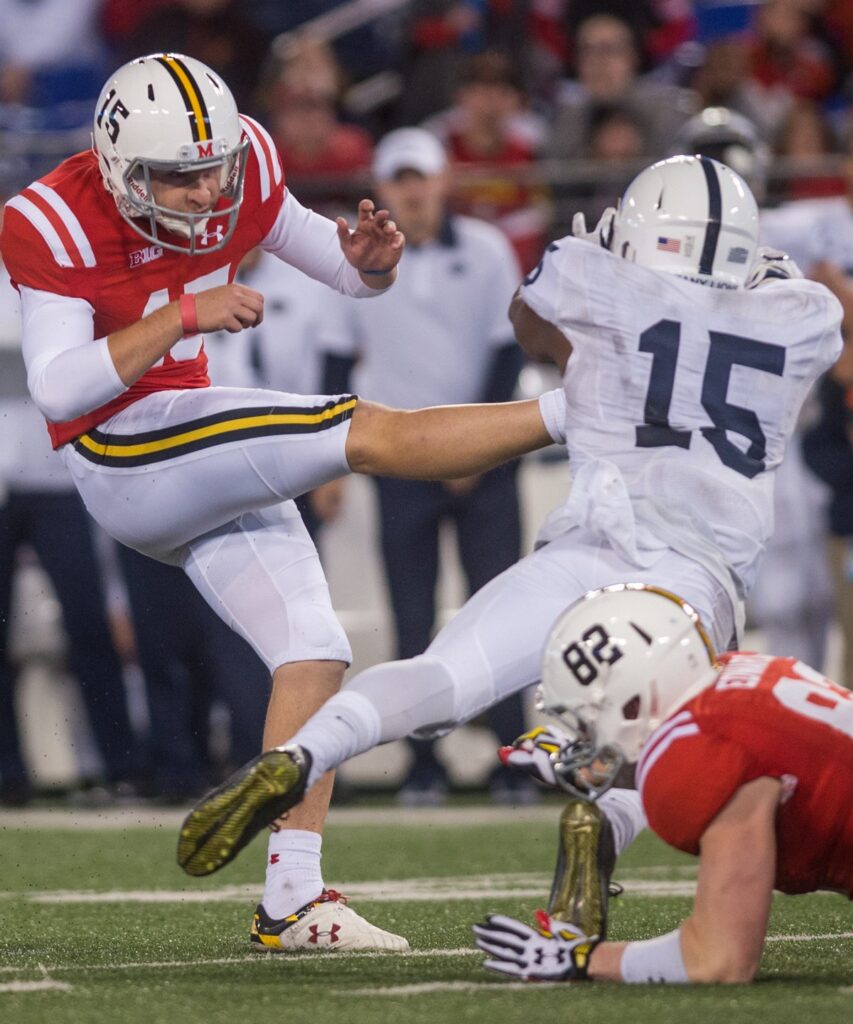
Two flags protect the man swinging his leg at the ball, and they are not the same foul. Roughing the kicker is a 15-yard personal foul with an automatic first down. Running into the kicker is a five-yard foul with no automatic first down. The difference usually comes down to one question: which leg did the rusher hit?
Through Week 5 of the 2026 season, public penalty logs show only two accepted roughing-the-kicker fouls (a Seattle linebacker against New England in Week 1 and a Cincinnati defensive lineman against Pittsburgh in Week 3), both on fourth-down kicks in the third quarter. Running into the kicker has been flagged twice and enforced zero times: one offset in Miami’s Week 2 game with San Francisco, and Carolina declined the other against Detroit in Week 4. The fouls are rare, but when roughing is called on fourth down, the kicking team keeps the ball.
The rule: 12-2-12
Rule 12, Section 2, Article 12 of the 2026 Official Playing Rules says no defensive player may run into or rough a kicker who kicks from behind the line. A punter and a place kicker are both covered. The holder gets his own protection in Article 13.
Roughing the kicker (15 yards, automatic first down)
It is roughing if a defender:
- Hits the plant leg while the kicking leg is still in the air. That is the leg holding the kicker’s weight, and the one most likely to get hurt.
- Slides into or hits the kicker when both feet are on the ground. It is not a foul if the contact is not severe, or if the kicker gets both feet down first and then falls over a defender already on the ground.
- Commits any other act of unnecessary roughness against the kicker.
Penalty: 15 yards from the previous spot, a personal foul and an automatic first down. A flagrant hit can also get the player ejected.
Running into the kicker (5 yards, no automatic first down)
It is running into the kicker if a defender:
- Hits the kicking leg or foot, even if the kicker is airborne when it happens; or
- Slides under the kicker so he cannot get both feet back on the ground.
Penalty: five yards from the previous spot. It is not a personal foul, and it is one of the listed exceptions that do not give the offense a new set of downs. On fourth-and-8, a five-yard running-into-the-kicker penalty only gets the offense to fourth-and-3, so it usually takes the result of the punt instead.
When contact is not a foul
The rule lists seven situations where hitting the kicker is legal:
- The defender touched the kick in flight first and the contact was incidental, or the contact happened at the same moment the ball was kicked.
- The contact was caused by the kicker’s own motion.
- It was a quick kick, or the kicker carried the ball outside the pocket area without clearly setting up to kick.
- The kicker ran the ball behind the line first.
- The kicker or holder had recovered a loose ball on the ground, such as a bad snap.
- The defender was blocked or pushed into the kicker and changed direction because of it.
- The contact came from a foul by the kicking team.
One more exception covers the classic two-man block attempt. If one rusher runs into the kicker after the ball is gone at the same instant a second rusher blocks the kick, running into the kicker is not enforced unless the referee judges that the contact itself caused the block.
Roughing the holder (15 yards)
Article 13 protects the player holding for a field goal or Try. A defender may not forcibly contact the holder unless the contact is incidental after touching the kick, he was blocked into the holder, or the holder has recovered a ball that hit the ground. The penalty matches roughing the kicker: 15 yards from the previous spot, a personal foul and an automatic first down.
After the kick and on kickoffs
Once a punter or kicker is standing still or drifting back after the kick, he is out of the play. Under 12-2-8, the receiving team may not hit him unnecessarily until the down ends or he moves into a clear defensive position. He is also a defenseless player through the end of the down, so the head-and-neck rules in our defenseless-player guide apply. Those hits are 15-yard unnecessary roughness, not roughing the kicker.
Free kicks have their own five-yard version. Rule 6 bars the receiving team from running into the kicker before he recovers his balance. It is rarely called; see our kickoff guide for how the current free-kick setup works.
How it is enforced
- On a punt: both fouls are enforced from the previous spot. Roughing on fourth down gives the punting team the ball back with a first down. Fouls made while trying to block a kick are also exempt from the usual post-possession enforcement that applies to other receiving-team fouls on scrimmage kicks.
- On a missed field goal: the kicking team can accept roughing and keep the drive alive with a first down 15 yards closer.
- On a made field goal: under 14-2-3, a personal foul during a successful field goal can be enforced on the next kickoff, or the kicking team can take the points off the board, accept the penalty and keep the drive going.
- On a Try: defensive fouls during a successful Try are generally assessed on the ensuing kickoff. If the Try misses, the offense can have the down replayed.
What replay can fix in 2026
Whether a player touched a kick is reviewable. The 2026 replay rule says a running-into or roughing foul can be removed if video shows the kick was touched before the contact. It can also be created if the referee announced before the review that there was no foul because the ball was touched, and video shows it was not. Under the replay-assist list in Rule 15, Section 9, the replay official can also step in when a roughing or running-into flag is thrown and clear video shows the defender touched the kick in flight. Whether the contact was severe enough for roughing remains a judgment call for the referee.
Watch the difference
The league’s officiating staff and its video rulebook walk through the plant-leg versus kicking-leg distinction with real NFL examples.
What to watch on the next kicker flag
- Which leg? Plant leg means roughing. Kicking leg or foot usually means running into.
- Did the rusher get a hand on the ball? Touching the kick first wipes out incidental contact, and replay can confirm it.
- Was he blocked into the kicker? A push from a blocker that changes his path means no foul.
- Did the kicker run, fumble or scramble? Once he runs or recovers a bad snap, he loses the kicker protection.
- How bad was the hit? With both feet down, light contact is legal. Severe contact is roughing.
- Fourth down? Roughing gives the punting team a first down. Running into the kicker usually gets declined.
Related WhyNFL reading: Fair catch and punt rules, Roughing the passer, Defenseless players and helmet contact, Coach’s challenges and replay, After the flag.
A rule or explanation needs a second look? Tell us through our corrections process.